
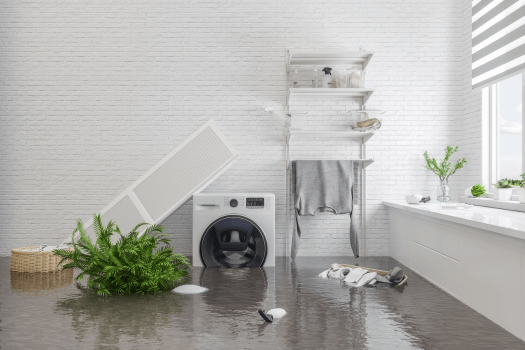
A house is supposed to be a safe haven, a place where you can relax and unwind. But what happens when that tranquility is disrupted by a sudden influx of water? Whether it’s a burst pipe or a washing machine malfunction, water damage can be a stressful and expensive ordeal. One of the first questions that likely pops into your head is: “Will my insurance cover this?”
The answer, unfortunately, isn’t always a straightforward yes or no. Homeowners insurance policies typically cover sudden and accidental water damage originating from within your home. This includes incidents like burst pipes, overflowing toilets, or a broken washing machine hose. In these scenarios, your insurance will likely cover the costs associated with repairing the damage and getting your home back to its pre-flood state.
However, it’s crucial to understand what your policy excludes. Here are some common water damage situations that might not be covered by your standard homeowner’s insurance:
- Gradual Leaks and Seepage: If water damage occurs due to a slow leak that has gone unnoticed for an extended period, your insurance company might deny your claim. This is because preventable maintenance is considered your responsibility as a homeowner.
- Source of the Damage: Homeowners insurance typically doesn’t cover the cost of repairing or replacing the appliance or fixture that caused the water damage in the first place. For instance, if a faulty water heater bursts, your insurance will cover the resulting water damage to your floorboards but not the replacement of the water heater itself.
- Flooding: This is a big one. Most home insurance policies exclude flood damage. Floods are defined as a general overflow of water from a natural source, such as a river or overflowing lake. If you live in an area prone to flooding, you’ll need separate flood insurance to be financially protected in such situations.
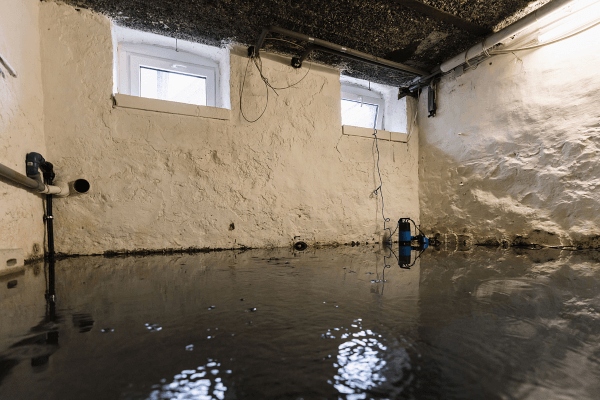
Understanding the Difference: Water Damage vs. Flood Damage
While both water damage and flood damage can wreak havoc on your home, it’s important to distinguish between the two.
Water damage typically refers to an accidental or sudden occurrence originating from within your home’s plumbing system or appliances. Flood damage, on the other hand, is caused by an external source of water, such as a rising river or overflowing lake.
The distinction is crucial because it determines what type of insurance coverage you need. Homeowners insurance covers water damage but not flood damage.
To be financially protected against floods, you’ll need to purchase a separate flood insurance policy.
The National Flood Insurance Program (NFIP) https://www.fema.gov/node/404917 provides flood insurance to homeowners and renters in participating communities.
Preventing Water Damage: An Ounce of Prevention is Worth a Pound of Cure
Proactive measures can significantly reduce the risk of water damage in your home. Here are some practical tips to keep your home safe:
- Regular Maintenance: Inspect and replace hoses connected to appliances like washing machines, dishwashers, and refrigerators regularly. Ensure these hoses are free of cracks or leaks and haven’t become brittle over time.
- Watch Out for Frozen Pipes: Winter chills can wreak havoc on your plumbing system. Keep your pipes insulated, especially those located in exposed areas like crawl spaces or attics. Consider running a trickle of water during freezing weather to prevent pipes from bursting.
- Smart Home Technology: Smart water leak sensors can be a lifesaver. These devices detect leaks and notify you immediately, allowing you to take swift action and minimize damage. Additionally, smart Wi-Fi thermostats can help regulate temperature and prevent pipes from freezing when you’re away.
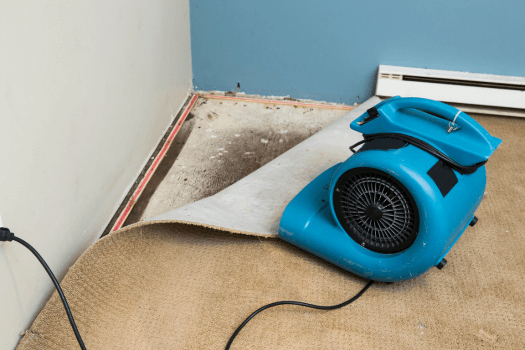
The Aftermath: Dealing with Water Damage and Filing a Claim
Even with the best preventive measures, water damage can sometimes occur. Here’s what to do if disaster strikes:
- Stop the Source: The first priority is to stop the water flow as soon as possible. Locate the main water valve in your house and shut it off. If the leak is coming from a specific appliance, turn off the individual shut-off valve for that appliance.
- Minimize the Damage: The faster you act, the less damage you’ll have to deal with. Remove as much water as possible using towels or a wet vac. Promote air circulation and drying by opening windows and doors.
- Document Everything: Take pictures and videos of the damage before starting any repairs. Create a list of damaged belongings.
- Contact Your Insurance Company: Don’t delay! Inform your insurance company about the water damage as soon as possible. Be prepared to answer questions about the cause and extent of the damage.
- Filing a Claim: Your insurance company will likely send an adjuster to assess the damage and determine the coverage amount. Be sure to keep all receipts related to repairs and temporary housing (if necessary) for reimbursement purposes.
By understanding your insurance coverage and taking preventative measures, you can minimize the financial burden and ensure a smoother recovery process. All the same, navigating water damage insurance claims can be daunting. If you have any questions or require clarification on your specific policy, don’t hesitate to contact our team.
At CK Restoration, we work with insurance companies to handle documentation and other processes. Our experienced, professional team works towards a seamless experience right from immediate response. They are there to guide you through the claims process and ensure you receive the appropriate coverage.
Our water damage restoration service covers mitigation, damage assessment, extraction, cleaning & more.