
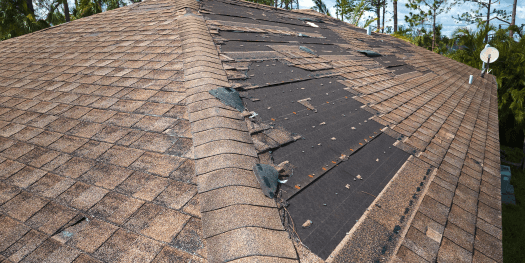
The wind is a silent aggressor, a force that’s constantly working against the integrity of your home’s first line of defense – the roof. In the Austin area, windstorms are not uncommon and can bring gusts that put your roof through a rigorous test, one of which might not always pass unscathed. Identifying the telltale signs of wind damage is crucial for maintaining the safety and longevity of your home. This guide will lead you through the subtle and not-so-subtle indicators of roof wind damage and the necessary steps to ensure your home is protected.
Visible Signs of Wind Damage
Missing Shingles
One of the most apparent aftermaths of a windstorm is the sudden disappearance of roof shingles. High winds can easily lift and carry them away. Upon a thorough check of your roof, any exposed patches are a red flag for potential water infiltration and subsequent structural damage.
Lifted or Loosened Shingles
Even if none are visibly gone, shingles that have been lifted or loosened can be equally threatening. They may be more susceptible to complete detachment and, meanwhile, are allowing a gateway for water that can seep under and cause rot.
Curling Shingles
Curling shingles may be harder to spot since it often only happens to the edges. However, any curling, whether it’s cupping (upward) or clawing (the opposite), can be the result of wind forcefully lifting the shingle’s corners. This can break the tight seal between the shingles, making your roof vulnerable to leaks.
Torn or Split Shingles
High winds can tear or split your shingles, and the damage isn’t always as dramatic as a missing shingle. Splits can start small and eventually grow, compromising your roof’s waterproofing.
Granule Loss
Check your gutters and downspouts for granule buildup. Granules look like coarse black sand and are an indicative sign of shingle damage. Granules protect the asphalt layer of your shingles from the sun, and their excessive loss can lead to quicker deterioration.
Damaged Flashing
Your roof’s flashing prevents water from seeping into areas where shingles don’t cover, like the edges and valleys. Any bending or detachment during a windstorm can decrease the efficiency of this barrier.
Creased Shingles
Shingles can bend under intense pressure, forming creases. These are weak points that can develop into cracks over time or serve as entry points for water. Look for any signs of distortion in your roofing materials.
Hidden or Less Obvious Signs
Leaks in the Attic or Ceilings
Not all wind damage is apparent from the outside. Sometimes, it shows itself inside your home with the appearance of water spots or active leaks in your attic or ceilings. Upon the discovery, it’s imperative to inspect your roof for probable breach points.
Water Damage Under Shingles
Water can seep through the roof materials even if the exterior looks intact. If not addressed swiftly, this hidden damage can cause rot and mold, potentially leading to more extensive repairs.
Gutter and Downspout Clogs
Debris from wind-damaged shingles can often infiltrate gutters. Left unaddressed, clogs can cause water to back up under your shingles, leading to leaks and damage. Regular gutter cleaning is crucial after windstorms.
Soffit and Fascia Damage
The soffit and fascia of your roof provide ventilation and a neat aesthetic covering for your rafters. If they show any sign of looseness or damage, winds might have disrupted them. Should they become displaced, your roof’s structure and your attic’s well-being are at risk.
Damaged Roofing Accessories
During a windstorm, not only shingles but also the roof’s main structure are at risk. External accessories like roof vents, chimneys, and antennae can sustain damage, so inspect them carefully for any signs of displacement or wear.
Uneven Roof Surface
An uneven roof surface can often go undetected but is a clear sign of underlying wind damage. Whether it’s due to missing shingles or issues with the roof deck, this can indicate potential structural problems that warrant immediate attention.
Dented Vents and Pipes
Strong winds can easily dent the metal vents and pipes on your roof, potentially disrupting their function as well as their sealing. They might need straightening or resealing to ensure their effectiveness and your roof’s integrity.
Structural and Safety Concerns
Structural Movement
Any noticeable changes in your roof’s structure post-windstorm, such as a sagging roof or the buckling of support beams, could indicate a more severe problem. Structural instability compromises the safety of your home and needs to be addressed immediately.
Damaged Chimneys
A chimney that’s leaning or losing part of its structure during a windstorm presents a significant safety risk. It can collapse, damage your roof, and compromise the exhaust function that’s vital for fireplaces and heating systems.
Window and Door Frame Issues
Doors and windows that suddenly become difficult to open or close might be indicative of a structural shift. If they’ve gone off-kilter due to wind damage, this not only impacts their function but also affects your home’s energy efficiency and security.
Preventive Measures
Regular Roof Maintenance
Regular roof inspections and maintenance are the best preventive measures against the wind’s destructive potential. Quarterly checks and timely repairs can save you from significant costs down the line.
Prompt Repairs
Don’t wait for the damage to become extensive before taking action. Prompt repair of wind damage is essential for maintaining the structural integrity of your home. It can prevent secondary issues such as mold, rot, and pests, all of which can result from water penetration.
Insurance Considerations
Understand your homeowner’s insurance policy. It may cover wind damage to your roof, but specific requirements and limitations might apply. Keep records of inspections and repairs as they can help with claims.
CK Restoration: Your Partner in Storm Repairs
Detecting wind damage to your roof is not always straightforward, but the effort is well worth it. By actively engaging in the detection of hidden damage and ensuring prompt repairs, you protect your home and your family.
Remember, beyond the visible signs, there may be structural and comprehensive damage that requires professional assessment and repair.
To tackle unprecedented damages and ensure the safety of your home, enlist the professionals at CK Restoration, a trusted service provider in the Austin area. We do more than just repair damages; we offer peace of mind with quality emergency services and long-term restoration solutions.
Proactiveness in roof maintenance and storm repairs is the key to a resilient and safe home.