

Winter is on its way, and with it comes the risk of cold drafts, icy conditions, and potential damage to your home. The good news? With some careful preparation, you can winterize your home to keep it warm, energy-efficient, and safe all season long. By following our home winterization checklist, you’ll be ready to tackle everything the season throws at you—without the stress.
Each of these checklist items will help secure your home, prevent burst pipes, and other costly repairs to give you peace of mind as temperatures drop. Let’s dive in and start prepping your home for the months ahead!
1. Windows & Doors: Winterize Your Home & Seal Out the Cold
Inspect for Drafts
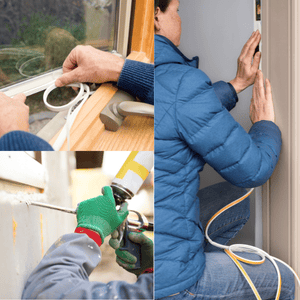
Drafts around windows and doors are one of the main culprits behind high heating bills and chilly rooms. To check for drafts, try running your hand along the edges of windows and doors on a windy day. If you feel cold air sneaking in, it’s time to take action.
- Solution: Apply weather stripping or caulk around edges where you feel drafts. Door sweeps at the bottom of doors can also make a big difference in preventing heat loss.
- Why It’s Important: According to the U.S. Department of Energy, sealing drafts with weather stripping keeps your home warmer and helps lower energy costs. Even small gaps can add up to big energy losses over time, so don’t skip this step.
Install Storm Windows or Insulate Existing Windows
Storm windows add an extra layer of insulation, but if they’re not an option, window insulation film can be a great alternative. Insulation kits are inexpensive, easy to install, and help reduce drafts significantly.
- Tip: Consider adding heavy curtains, especially for older windows, to add another layer of protection against the cold.
Check Door Frames and Hinges
Doors that aren’t closing tightly can also be a source of drafts. Loose hinges or worn weather stripping around frames can let in cold air.
- Solution: Tighten hinges and replace weather stripping as needed to ensure a snug fit.
2. Roof & Gutters: Home Winterization to Protect Against Snow and Ice
Clear Gutters and Downspouts
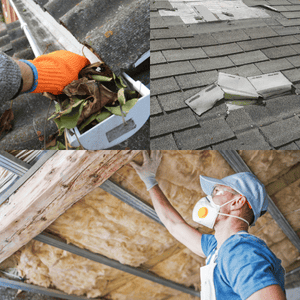
Clogged gutters are a recipe for disaster in winter, as they can trap water that freezes, leading to ice dams and potential roof damage. Grab a ladder (or call a professional) to clear out leaves, twigs, and debris from your gutters.
- Tip: Make sure downspouts are directing water at least five feet away from your foundation to avoid water damage to your home’s base.
- Extra Help: Consider installing gutter guards to keep debris out, which will make your seasonal clean-up much easier.
Inspect Roof for Missing or Damaged Shingles
Your roof takes a lot of wear and tear, especially during winter, so now is the time to check for loose, cracked, or missing shingles. Damaged shingles can lead to leaks that worsen over time, and winter weather can make repairs much harder.
- Solution: If you notice damaged shingles, replace them or consult a professional to ensure your roof is in good shape for the season.
- Professional Tip: Scheduling a roof inspection in fall can catch small issues before they become big problems under the weight of snow and ice.
Check Attic Insulation and Ventilation
Proper insulation and ventilation are crucial for keeping your home warm and your roof free from ice dams. Insulation prevents heat loss, while ventilation helps keep temperatures even and avoids moisture buildup.
- How to Check: Head up to your attic and make sure insulation is evenly distributed. Look for any gaps or areas where it may have shifted, as even small gaps can allow heat to escape.
- Pro Tip: If your attic feels cold and drafty, it might be time to add insulation. Consult a professional to ensure your home meets recommended insulation levels.
If winter storms cause unexpected roof damage, don’t panic. Check out our Complete Guide to Handling Storm Damage in Georgetown for tips on what to do next.
3. Heating System: Winterize Your Home for Maximum Warmth and Efficiency

Schedule a Heating System Tune-Up
Regular maintenance on your heating system can improve its efficiency and catch any issues before you rely on it full-time. A tune-up includes checking filters, calibrating the thermostat, and inspecting the system’s functionality.
- Why It Matters: A properly maintained system will heat your home more efficiently, saving you money on energy bills and reducing the risk of a breakdown in the middle of winter.
- Tip: Consider signing up for an annual maintenance plan with your HVAC provider to ensure regular tune-ups.
Replace Furnace Filters
Dirty filters restrict airflow, making your furnace work harder than it needs to. This not only increases energy costs but can shorten the life of your furnace.
- How Often: Check your filter monthly and replace it every three months, or as needed, during peak usage.
- Extra Tip: If anyone in your home has allergies or respiratory issues, replacing filters more frequently can help improve indoor air quality.
Check for Carbon Monoxide Leaks
Safety first! Carbon monoxide is a colorless, odorless gas that can be dangerous if it builds up indoors. Inspect your furnace and water heater for any signs of leaks or issues, and make sure you have working detectors.
- Tip: Place carbon monoxide detectors on each floor of your home, especially near sleeping areas.
4. Plumbing Home Winterization: Prevent Burst Pipes
Insulate Exposed Pipes
Pipes in unheated areas like basements, garages, or crawl spaces are particularly prone to freezing. Frozen pipes can burst and cause extensive damage, so prevention is key.
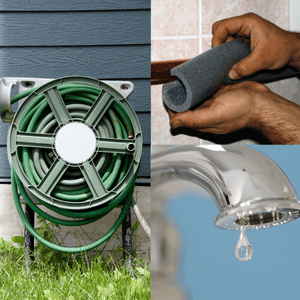
- Materials: Prevent burst pipes with foam insulation or heat tape, which are both affordable and effective in keeping pipes warm.
- Extra Help: For extreme cold, you might consider a pipe heating cable that keeps pipes at a safe temperature.
Drain and Disconnect Outdoor Hoses
Leaving hoses connected can trap water in your pipes, increasing the risk of freezing. Remove all hoses and drain water from exterior spigots.
- Tip: Shut off water to outdoor spigots if possible, and use faucet covers for added protection.
Let Faucets Drip During Extreme Cold
A small trickle of water can prevent pipes from freezing by keeping water moving through the system.
- When to Drip: This is especially helpful on the coldest nights of winter or when pipes are located in unheated parts of your home.
Learn more from our blog about water damage:
- Water Damage Restoration Made Simple
- Hidden Causes of Water Damage
- Does My Homeowners Insurance Cover Water Damage?
5. Fireplace & Chimney Prep for Winter

Schedule a Chimney Cleaning
Creosote buildup can create a fire hazard in chimneys, so it’s essential to have your chimney cleaned if you plan on using your fireplace. A professional cleaning will remove soot and creosote, making your fireplace safer and more efficient.
- Tip: If you use your fireplace heavily, consider a mid-winter cleaning as well.
- Safety Note: Always use a fire screen and keep the area around the fireplace clear of flammable items.
Check the Damper
A well-sealed damper prevents cold air from entering when the fireplace isn’t in use, while a damaged one can create a draft and increase heating costs.
- How to Test: Open and close the damper to make sure it moves smoothly and closes tightly.
Install a Chimney Cap
A chimney cap prevents debris, rain, snow, and even animals from entering your chimney.
- Tip: A cap also helps prevent downdrafts, which can bring cold air into your home.
6. Prepare for Winter Safety

Test Smoke and Carbon Monoxide Detectors
Winter heating increases the risk of fire and carbon monoxide exposure, so it’s crucial to check that all alarms are functioning properly. Replace batteries as needed.
- Tip: Test each detector monthly during winter.
Check Fire Extinguishers
Make sure your fire extinguishers are accessible and in good working order. Keep one in the kitchen and near any heat sources like fireplaces.
Review Your Emergency Kit
Power outages are more likely during winter storms, so prepare an emergency kit with essentials like flashlights, warm blankets, water, and non-perishable food.
- Winter Additions: Include hand warmers, backup phone chargers, and additional blankets for warmth.
The National Fire Protection Association (NFPA) offers helpful tips on how to keep your home safe from fire hazards during the winter months.
7. Outdoor Spaces to Prepare for Winter

Trim Overhanging Tree Branches
Ice and snow can make branches heavy, causing them to snap and potentially damage your roof or siding.
- Tip: Keep branches at least six feet away from your roof.
Store or Cover Outdoor Furniture
Snow and ice can wear down outdoor furniture quickly. Protect items with covers or store them indoors if possible.
Inspect Outdoor Lighting
Well-lit pathways and entryways ensure safe access during darker winter months.
- Bonus Tip: Consider installing motion-activated lights for convenience and energy savings.
Winterize Your Home to Stay Cozy, Safe, & Warm
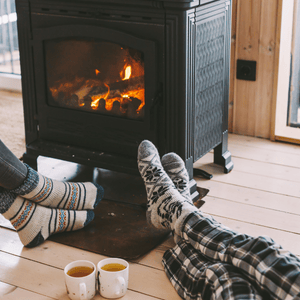
By following these winterization steps, you’ll ensure your home is warm, safe, and secure all season long. Seal windows, protect pipes, and avoid unnecessary repairs with these simple steps.
Need help with winter prep? Contact CK Restoration today today to schedule a professional inspection and make sure your home is ready to handle anything winter throws your way.