When a house fire strikes, the damage it leaves behind can feel overwhelming. But did you know that smoke can often leave just as many lasting effects on your home as the flames themselves?
Smoke damage can seep deep into walls, furniture, and even your home’s air quality, sometimes lingering long after the flames have been put out. At CK Restoration, we know the ins and outs of both fire and smoke damage and can help you understand the impact of each, so you can make the best decisions for your home.
In this post, we’ll walk you through what smoke damage actually means, the differences between smoke damage vs. fire damage, how to approach cleanup, and even what you might be able to save.
Ready to learn how to handle damage that may be lurking even after the fire is gone? Let’s get started.
What Is Smoke Damage?
Smoke damage isn’t just the black marks or ash you see after a fire. Smoke carries particles that can settle into materials and linger, often leaving an odor or even toxins that can affect air quality.
Smoke damage isn’t just about visible soot or discoloration; it involves microscopic particles that can penetrate surfaces and linger, affecting indoor air quality and health. According to the EPA, fine particles from wood smoke can cause burning eyes, runny nose, and illnesses such as bronchitis.
Smoke particles often carry dangerous chemicals from the materials burned, meaning that the residues left behind may not be safe to breathe in or touch.
If you smell a lingering smoky odor, that’s a sign that smoke particles are still around. And over time, those particles can damage surfaces and potentially cause respiratory issues.
Types of Smoke Damage – What to Expect After A House Fire
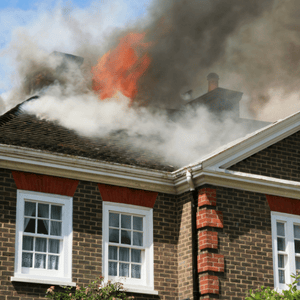
Not all smoke damage is created equal. Different types of smoke can result in various levels of cleanup difficulty:
- Dry Smoke: Dry smoke comes from fast-burning fires with high temperatures. Think of paper or wood fires. Dry smoke is powdery and doesn’t cling as stubbornly as other types, making it somewhat easier to clean.
- Wet Smoke: When a fire smolders and burns slowly, like grease fires or fires involving synthetic materials, it creates wet smoke. This smoke is thick, sticky, and, frankly, a pain to clean. It often leaves a very strong smell and sticks to surfaces, making it harder to remove.
- Protein Smoke: This type of smoke often results from kitchen fires. While protein smoke might not leave a lot of visible residue, it’s notorious for creating a strong, unpleasant odor and can discolor surfaces, especially walls and counters.
- Fuel/Oil Smoke: Rare in homes, but it can happen if there’s a furnace puff-back or similar issue. This type of smoke leaves dark, sticky residue that’s very tough to clean up.
Different materials produce varying types of smoke when burned, each requiring specific cleaning methods. The Institute of Inspection, Cleaning and Restoration Certification (IICRC) outlines that protein smoke, common in kitchen fires, can leave strong odors and yellowish residue.
Heat Damage: Beyond the Flames

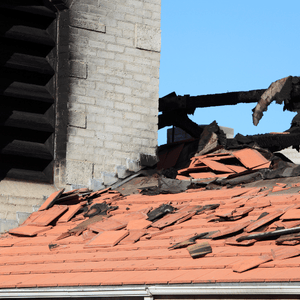
In addition to smoke and fire, heat from a blaze can cause its own form of damage. You might think of fire as the only culprit, but heat alone can warp walls, melt electronics, and weaken structural elements without direct contact with flames.
For example, high heat can damage appliances and even melt wiring in areas that weren’t burned. Heat damage might not be visible at first glance, but it’s essential to address it, especially for safety. If you’re ever in doubt, a professional inspection can help identify unseen heat damage that may need attention.
The Main Difference Between Smoke Damage vs. Fire Damage
It’s easy to think that smoke and fire damage are one and the same, but they affect your home in different ways:
- Fire Damage: This is the direct damage caused by flames. It usually involves charring, burning, and structural harm. Fire damage requires repair and sometimes replacement of entire sections of a home, like wall studs, floors, or ceilings.
- Smoke Damage: Smoke damage, on the other hand, is often more subtle but pervasive. It affects surfaces, gets into fabrics, and can even linger in your HVAC system, affecting air quality long after the fire is out. Smoke damage restoration involves cleaning, deodorizing, and possibly refinishing areas affected by smoke particles.
Think of it this way: fire damage is often visible and structural, while smoke damage is more about unseen contaminants and lingering odors. Both need a thoughtful approach to fully restore your home.
Dealing with fire damage can feel overwhelming, but you don’t have to face it alone. For a comprehensive guide on the restoration process, check out our Guide to Fire Damage Restoration.
There’s Also Water Damage from Firefighting Efforts
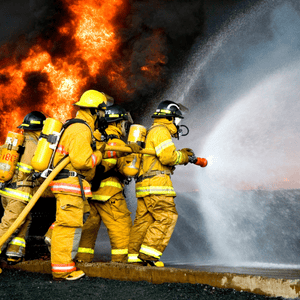
In the chaos of a house fire, water damage can sometimes get overlooked. However, water used to put out a fire can cause significant issues if it’s not properly handled. Firefighters often use high volumes of water, which can flood your home, seep into walls, and cause mold growth if left untreated.
If your home has been affected by water during firefighting efforts, be sure to dry out affected areas as soon as possible. Professional restoration services can help address both the water and the smoke damage to prevent issues like mold from developing down the line. For tips on tackling water damage, explore our guide, Water Damage Restoration Made Simple.
What Can I Save From Smoke Damage? – Knowing When to Restore or Discard
After smoke damage, it’s natural to wonder what you can save and what might need to go. Here are some general guidelines:
- Textiles: Clothes, curtains, and linens can often be salvaged, but they may need professional cleaning to remove smoke odor and particles.
- Furniture: Upholstered furniture can be tricky, as smoke seeps into cushions and fabric. Some pieces can be cleaned, while others might have to be discarded if they’re too damaged.
- Electronics: Smoke can damage internal components in electronics, so inspect them carefully. Smoke particles can cause corrosion and may lead to future malfunctions.
- Sentimental Items: Photos and documents are often salvageable with special techniques used by professionals. Smoke damage doesn’t mean you have to lose everything—just know that some items might need expert care.
Smoke Damage Cleanup – Steps for a Fresh Start
Cleaning up smoke damage takes more than just opening a few windows. Here’s a step-by-step guide:
- Ventilate the Area: First, let fresh air in by opening windows and using fans. This helps to start removing the smell, though it won’t eliminate it completely.
- Remove Soot and Residue: Use a vacuum with a HEPA filter for loose soot. For tougher residues, a professional cleaner may be needed to prevent smearing or worsening the damage.
- Deodorize: Smoke smells are stubborn! Professional treatments like ozone treatments and air scrubbers can neutralize odors deeply embedded in walls, carpets, and furniture.
- Clean HVAC Systems: Smoke particles often settle in air ducts, which means your HVAC system can recirculate smoky air even after cleaning. Cleaning the system thoroughly is essential for full restoration.
Attempting smoke cleanup on your own can be challenging, especially for stubborn odors and soot. Professional fire restoration services can ensure that every trace of smoke is removed. Read more from the American Red Cross about cleaning up smoke damage.
Smoke Damage FAQ
Here are some common questions we hear about smoke damage:
- How long does smoke damage last?
Smoke particles can linger indefinitely if not properly removed. That’s why professional cleaning is so essential. - Can you get rid of smoke smell completely?
Yes! With the right treatments, you can eliminate smoke odor fully. - Is smoke damage covered by insurance?
Often, yes. Many homeowner policies cover smoke damage, but it’s best to check with your provider. For more insights on how homeowners insurance applies, see our post, Does My Homeowners Insurance Cover Water Damage? - What’s the best way to clean smoke-damaged walls?
Special cleaners designed for smoke damage are best. Avoid DIY methods that can make stains worse. - How does smoke damage affect air quality long-term?
Smoke particles can continue to circulate, impacting air quality. That’s why cleaning your HVAC system is crucial.
Protect Your Home from Smoke and Fire Damage
Understanding the differences between smoke and fire damage is essential for restoring your home to a safe, healthy state. While fire damage is usually visible and structural, smoke damage can be sneaky, sticking around in your home’s air, surfaces, and furnishings. Dealing with both types of damage promptly ensures a safe, clean environment for you and your family.Need help with smoke or fire damage? Contact CK Restoration today, and let us take care of your home restoration needs, so you can focus on moving forward.